
Studio Monitors Yamaha HS8 – In-Depth Review
Categories : Recording, Studio Monitors
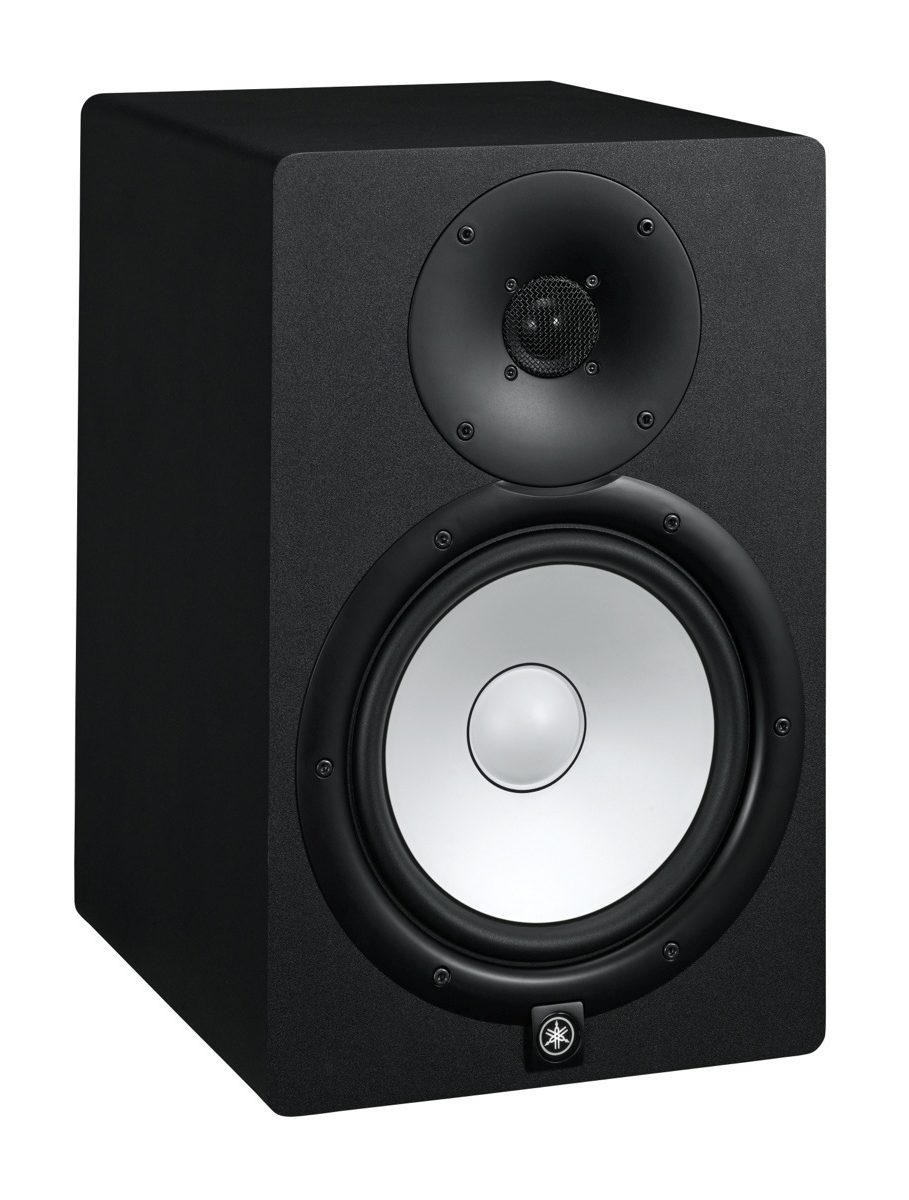
When it comes to professional audio production, the choice of studio monitors can make or break your final mix. Among the top contenders in the market, the studio monitors Yamaha HS8 stand out as a widely respected and trusted option. In this comprehensive review, we will explore every aspect of the Yamaha HS8—from sound quality to build and value—to determine if these iconic monitors deserve their spot in your studio.
Overview of the Yamaha HS8
The Yamaha HS8 is an active nearfield studio monitor that builds on Yamaha’s legacy of precision audio. Inspired by the legendary NS-10, the HS series is designed to deliver accurate, uncolored sound—essential for professional mixing and mastering.
The HS8 features an 8-inch cone woofer and a 1-inch dome tweeter, capable of reproducing frequencies from 38Hz to 30kHz. With 120 watts of bi-amped power (75W for low frequencies, 45W for highs), these monitors deliver consistent performance with a flat frequency response ideal for critical listening.
Design and Build Quality
The studio monitors Yamaha HS8 feature a minimalist design, blending seamlessly into any studio environment. Available in matte black or white, the cabinets are constructed from high-density MDF, which provides excellent damping to reduce unwanted resonance.
At the back of the unit, you’ll find balanced XLR and 1/4” TRS inputs, as well as controls for Room Control and High Trim. These settings help you fine-tune the monitor’s response to match your room acoustics—a crucial feature for home and project studios alike.
Sound Quality
Where the HS8 truly shines is in its sound reproduction. The monitors are exceptionally accurate, offering a flat response curve that reveals even the most subtle details in a mix. Bass response is tight and controlled, without the exaggerated low-end that some monitors add for “wow” factor.
The high-frequency range is crisp and clear, allowing engineers to easily identify sibilance and harshness. Midrange clarity is also outstanding, which is especially important for vocals and guitars. Overall, the HS8 delivers a neutral soundstage that helps producers make confident mixing decisions.
Performance in Different Studio Setups
Whether you’re mixing EDM, rock, hip-hop, or podcasts, the studio monitors Yamaha HS8 adapt well to various genres. However, it’s worth noting that their flat response may initially feel less “exciting” than consumer-grade speakers. This is intentional—the goal is accuracy, not coloration.
In small rooms, the HS8s can sound a bit bass-heavy due to boundary reflections. Fortunately, the Room Control switch lets you cut low-end response for near-wall placement. For larger studios, their ample power and wide frequency range make them more than capable as main nearfields.
Comparison with Other Monitors
When compared to other studio monitors in the same price range—such as the KRK Rokit 8 G4, JBL 308P MkII, or Adam T7V—the Yamaha HS8 studio monitors hold their ground firmly.
- KRK Rokit 8 G4: Offers a more bass-heavy sound, which some producers prefer for EDM. However, they are less neutral than the HS8.
- JBL 308P MkII: Known for their wide sweet spot and detailed highs, but the HS8 edges them out in midrange transparency.
- Adam T7V: Features ribbon tweeters for ultra-smooth highs, but slightly less low-end power compared to the HS8.
Ultimately, the studio monitors Yamaha HS8 remain a favorite for professionals who prioritize accuracy over hype.
Use Case Scenarios
If you're a mixing engineer, songwriter, or producer seeking clarity in your mixes, the Yamaha HS8 is an excellent investment. Here’s how it excels in specific workflows:
- Mixing & Mastering: Reveals fine detail and imperfections that consumer speakers may mask.
- Tracking: Helps musicians and vocalists hear themselves clearly without coloration.
- Sound Design: Delivers accurate frequency representation for synth and sample editing.
Pros and Cons
Pros:
- Exceptionally flat and accurate sound
- Robust build quality and professional look
- Reliable Yamaha engineering and legacy
- Excellent for critical listening and referencing
Cons:
- May sound dull to those used to hyped consumer monitors
- Large size may overwhelm small rooms
- No digital or Bluetooth inputs—purely analog
Tips for Getting the Most Out of Your Yamaha HS8
To fully benefit from the studio monitors Yamaha HS8, proper placement and room treatment are essential. Here are a few quick tips:
- Position the monitors at ear level and form an equilateral triangle with your listening position.
- Keep them away from walls to reduce bass buildup, or use the Room Control switch accordingly.
- Invest in acoustic treatment like bass traps and diffusers for a more accurate room response.
Final Verdict
The studio monitors Yamaha HS8 offer professional-grade performance at a mid-range price point. They are ideal for engineers and producers who demand accuracy, neutrality, and reliability. While they may not appeal to casual listeners seeking booming bass, for critical studio work, the HS8s are hard to beat.
In a market filled with options, the Yamaha HS8 continues to stand out—not with flashy features, but with honest sound and unmatched consistency. Whether you're upgrading from budget monitors or looking for a solid pair to trust your mixes on, these are monitors that will grow with you over time.
Should You Buy the Studio Monitors Yamaha HS8?
If your goal is to produce music that translates well across all playback systems, the answer is a definitive yes. The Yamaha HS8 is a reliable, transparent monitor that provides the accuracy needed for professional-quality audio production. Despite some competition, it remains one of the most respected names in the studio monitor category—and for good reason.
Verdict: 9.5/10 – One of the most dependable studio monitors Yamaha HS8 users can count on for honest sound.
Reviews and Articles
In-depth review of the ADAM Audio D3V studio monitors. Find out why these adam audio monitors are making waves among professionals.
Discover the best desktop monitor speakers in 2025. Explore our top 3 picks: ADAM Audio D3V, IK Multimedia iLoud MTM MKII, and KRK GoAux 3 for premium sound, compact design, and studio-quality performance.
In-depth review of the Pioneer DJ DM-40D monitor speakers. Discover sound quality, features, and comparisons with Mackie CR5-X, Presonus Eris E3.5, and KRK Rokit 5 G4.
A comprehensive 1300-word review of the studio monitors Yamaha HS8, including performance, build quality, comparisons, and recommendations.
Related Products :


