
Pioneer DJ DM-40D Review: Big Sound in a Compact Package
Categories : Recording, Studio Monitors
Introduction
Whether you're a budding DJ, a bedroom producer, or someone who simply appreciates great audio, quality monitor speakers can make or break your sound experience. The Pioneer DJ DM-40D is positioned as a budget-friendly, compact monitor designed for versatility — bridging the gap between production and casual listening. But how does it stack up against competitors like the Mackie CR5-X, Presonus Eris E3.5, and KRK Rokit 5 G4? Let's dive into the details.
Overview of the Pioneer DJ DM-40D
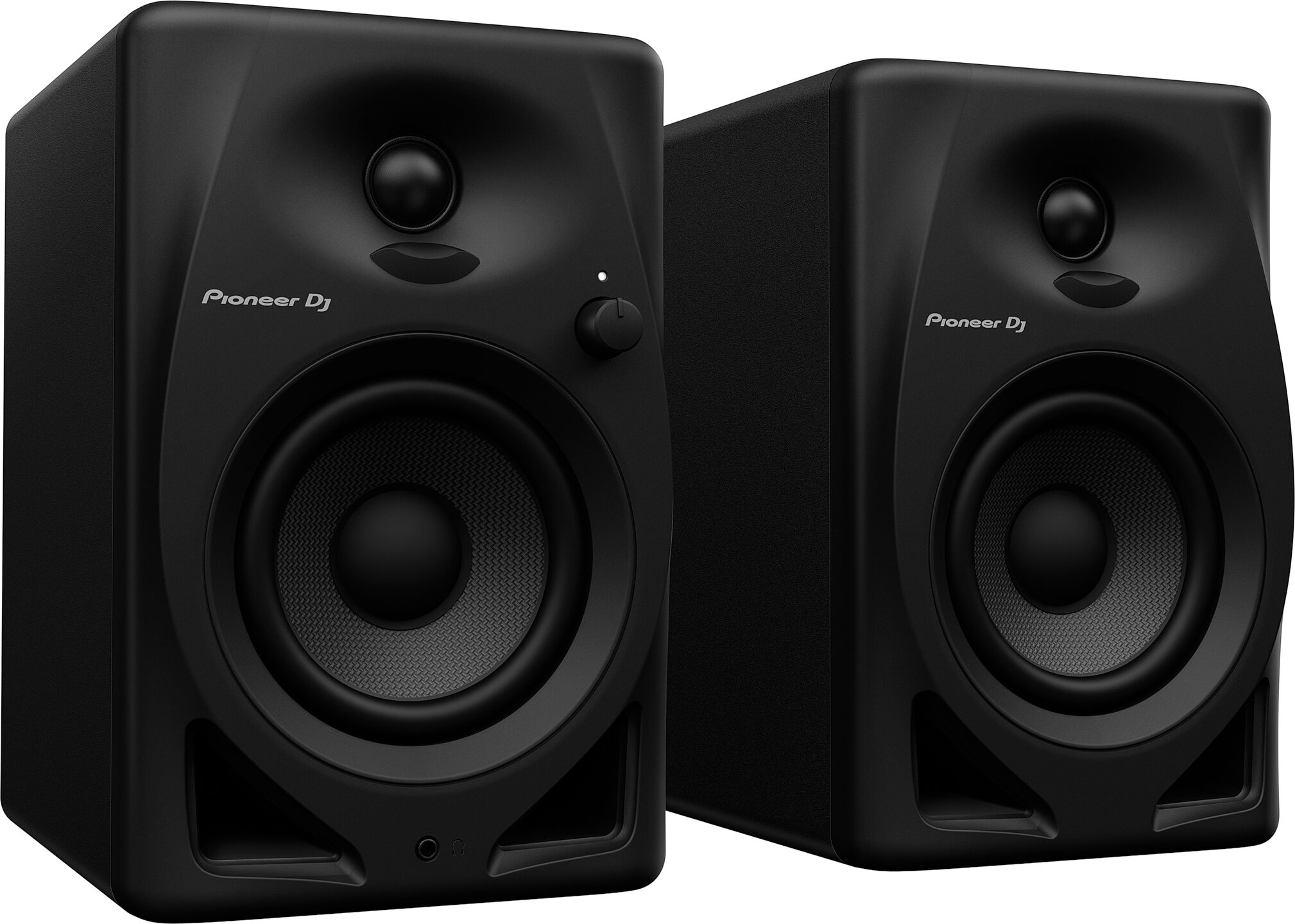
The DM-40D is the successor to the well-received DM-40, but with key upgrades and added features. It delivers 4-inch woofer power in a relatively small footprint, making it ideal for desktop setups and smaller studios.
- Speaker Size: 4-inch woofer + 0.75-inch soft dome tweeter
- Frequency Response: 70 Hz – 30 kHz
- Power Output: 19 W + 19 W (Class D amp with DSP)
- Inputs: RCA, stereo mini-jack, 1/4" TRS (balanced)
- Dimensions: 146 x 227 x 223 mm (per speaker)
- Price: ~$179 (USD/pair)
With a design that caters to both DJing and music production, the DM-40D includes a unique switch that toggles between “DJ mode” and “Production mode,” altering the DSP to suit the scenario.
Sound Performance
The DM-40D delivers a surprisingly balanced and clear soundstage for its size. The bass is punchy but controlled, mids are detailed, and highs are crisp without being overly bright. The standout feature is the clarity across different genres — from hip-hop to ambient electronica.
In DJ mode, the low end becomes more pronounced, giving extra thump to bass-heavy tracks. In Production mode, the frequency curve flattens for more accurate mixing. For a speaker at this price point, that kind of flexibility is rare.
Build Quality and Design
The DM-40D maintains the same sleek, matte-black look as its predecessor but with cleaner aesthetics. The front-loaded bass reflex system and DECO convex diffusers aid in wide sweet spot coverage. The build feels solid with minimal resonance at high volumes.
Ease of Use
The rear-panel switch for sound mode is a practical addition. Having multiple input types (TRS, RCA, 3.5mm) makes it easy to connect with mixers, audio interfaces, or even smartphones. The volume knob on the front is responsive and feels high-quality.
Comparing the DM-40D with Competitors
Mackie CR5-X (~$180)
The Mackie CR5-X comes with a larger 5-inch woofer, offering more low-end extension than the DM-40D. It’s great for general music listening and multimedia use but lacks the frequency accuracy that producers crave. The sound signature is more V-shaped, emphasizing lows and highs, making it less suitable for precise mixing. Also, the plastic build and green-accented design might not appeal to everyone.
Winner: DM-40D for versatility and tonal balance
Presonus Eris E3.5 (~$100)
A favorite among beginners, the Presonus Eris E3.5 is incredibly affordable and compact. While it performs decently in nearfield environments, its 3.5-inch woofer simply can't match the depth and output of the DM-40D. Highs are slightly harsh, and stereo imaging isn't as refined. However, it includes both TRS and RCA inputs, plus acoustic tuning knobs.
Winner: DM-40D for superior audio fidelity and bass response
KRK Rokit 5 G4 (~$199 - $230)
The KRK Rokit 5 G4 is the most “pro” option among these. With its 5-inch woofer, built-in DSP EQ, and a powerful 55W output, it beats the DM-40D in raw power and customization. However, the price point is noticeably higher, and the yellow cone design isn't for everyone. For tight budgets or space constraints, the DM-40D holds its own quite well.
Winner: KRK for studio pros, DM-40D for cost-conscious creators
Strengths of the DM-40D
- Excellent sound quality for the price
- Dual DSP modes for flexibility
- Solid build and sleek design
- Compact and ideal for small spaces
- Front-facing bass port for wall proximity setups
Weaknesses
- Not ideal for larger rooms due to limited power
- No Bluetooth or wireless connectivity
- Low end may feel lacking for bass-heavy genres without a subwoofer
Best Use Cases
The DM-40D is a great fit for:
- Bedroom producers on a budget
- DJs needing flat reference sound for mixing
- Content creators and podcasters
- Compact desktop setups where space is limited
Final Verdict
The Pioneer DJ DM-40D is a strong contender in the sub-$200 studio monitor category. While it may not win in every technical spec compared to larger or more expensive options, it strikes a perfect balance between performance, design, and practicality.
Compared to similarly priced models, it stands out with its dual-mode DSP feature, refined sound profile, and modern design. If you’re looking for a speaker pair that can handle production tasks during the day and DJ sessions at night, the DM-40D is tough to beat.
Rating: 4.5/5
Reviews and Articles
In-depth review of the ADAM Audio D3V studio monitors. Find out why these adam audio monitors are making waves among professionals.
Discover the best desktop monitor speakers in 2025. Explore our top 3 picks: ADAM Audio D3V, IK Multimedia iLoud MTM MKII, and KRK GoAux 3 for premium sound, compact design, and studio-quality performance.
In-depth review of the Pioneer DJ DM-40D monitor speakers. Discover sound quality, features, and comparisons with Mackie CR5-X, Presonus Eris E3.5, and KRK Rokit 5 G4.
A comprehensive 1300-word review of the studio monitors Yamaha HS8, including performance, build quality, comparisons, and recommendations.
Related Products :


