In the world of music production, your digital audio workstation (DAW) is the core of your creative process. Choosing the best audio workstation software can be the difference between frustration and inspiration. With so many DAWs available in 2025—each designed for different workflows, genres, and production needs—it can be overwhelming to decide which is right for you.
This article will guide you through the top DAWs available today, comparing their features, strengths, weaknesses, and ideal use cases. Whether you’re a beginner producer, a live performer, or a professional mixing engineer, you’ll find the perfect fit for your music-making journey.
What Is Audio Workstation Software?
Audio workstation software, often called a DAW (Digital Audio Workstation), is a computer program that allows you to record, edit, arrange, and produce music. DAWs are the foundation of modern music production across every genre—from EDM and hip-hop to rock, jazz, and orchestral film scoring.
Modern DAWs go beyond simple audio recording. They provide powerful tools such as:
- Virtual instruments and synthesizers
- Audio and MIDI editing
- Mixing consoles and automation
- Effects and plugin integration (VST, AU, AAX)
- Mastering tools for finalizing tracks
With the right DAW, your laptop can become a professional recording studio.
Top 10 Best Audio Workstation Software in 2025
Below we’ll break down the most popular DAWs used by producers around the world. Each one has its own strengths and workflow advantages.
1. Ableton Live 12
Ableton Live remains a top contender for the title of best audio workstation software, especially for electronic music producers and live performers. Its unique Session View allows for non-linear composition and experimentation, making it perfect for creativity and improvisation.
Key Features:
- Session View for live looping and performance
- Powerful MIDI editing
- Huge library of instruments and samples
- Seamless hardware integration with Push
Best For:
Electronic music producers, DJs, live performers, and experimental artists.
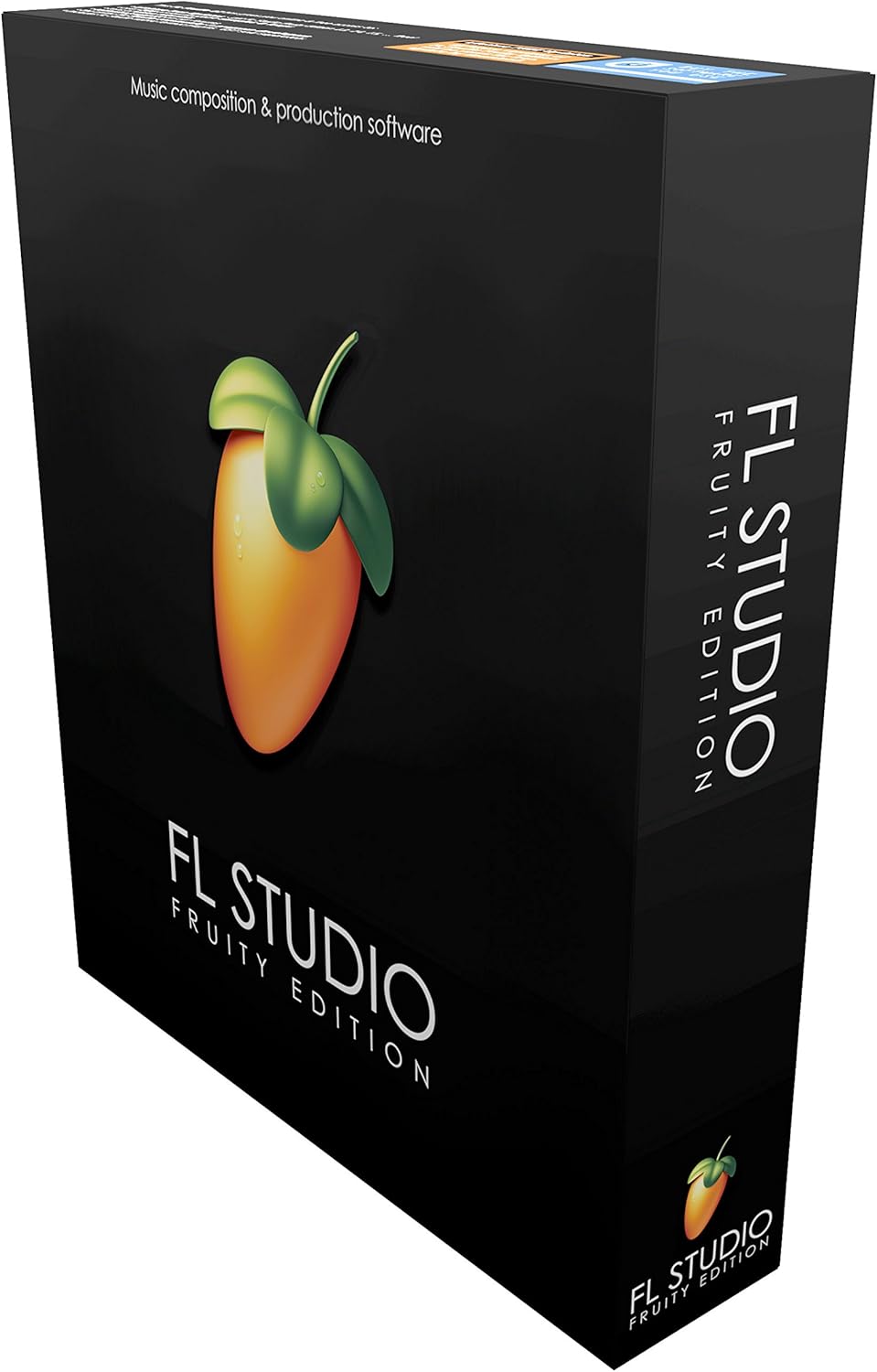
2. FL Studio 21
FL Studio, known as “Fruity Loops” in its early days, has grown into a professional-grade DAW while keeping its beginner-friendly workflow. It’s one of the most popular DAWs in the world, particularly among hip-hop and EDM producers.
Key Features:
- Lifetime free updates
- Piano Roll for intuitive MIDI composition
- Pattern-based workflow
- Built-in synths like Sytrus and Harmor
Best For:
Beatmakers, hip-hop producers, and electronic musicians looking for an easy learning curve.
3. Avid Pro Tools Studio
Pro Tools is the industry standard in professional recording studios worldwide. Known for its rock-solid audio engine and mixing capabilities, it’s often the choice for engineers working in film, TV, and high-end music production.
Key Features:
- World-class audio editing and mixing
- Industry-standard in commercial studios
- Excellent hardware integration
- Powerful collaboration features
Best For:
Professional mixing engineers, recording studios, and post-production for film and TV.
4. Logic Pro X (Mac Only)
Logic Pro X is Apple’s flagship DAW and is considered by many to be the most feature-rich option for Mac users. With its huge sound library, world-class instruments, and seamless integration with macOS, it’s a powerhouse for all genres.
Key Features:
- Massive built-in sound library
- Alchemy synth for advanced sound design
- Excellent MIDI editing tools
- One-time purchase (no subscription)
Best For:
Mac-based producers, singer-songwriters, and anyone looking for an all-in-one solution.
5. Steinberg Cubase 13
Cubase has been a pioneer in the DAW space since the 1980s and continues to be a favorite among composers and producers. Its MIDI capabilities are second to none, making it ideal for orchestral arrangements and film scoring.
Key Features:
- Advanced MIDI composition tools
- Score editor for notating music
- Extensive VST support
- High-quality mixing environment
Best For:
Film composers, orchestral arrangers, and advanced producers.
6. Presonus Studio One 6
Studio One has quickly risen to become one of the most respected DAWs in the industry. Known for its drag-and-drop workflow and modern design, it balances power with ease of use.
Key Features:
- Single-window workflow
- Integrated mastering suite
- Great stock instruments and plugins
- Chord track for songwriting
Best For:
Producers who want a modern, intuitive DAW without sacrificing professional features.
7. Reason Studios Reason 12
Reason is unique among DAWs thanks to its virtual rack-based interface. It emulates real-world hardware gear, allowing producers to patch virtual cables and build complex setups just like in a physical studio.
Key Features:
- Rack-based interface with virtual patching
- Reason Rack Plugin works inside other DAWs
- Unique instruments and effects
Best For:
Sound designers, experimental musicians, and those who love hardware-style workflows.
8. Bitwig Studio
Bitwig Studio is a relative newcomer but has gained a strong reputation among electronic musicians. It offers modular routing, advanced automation, and a workflow similar to Ableton but with unique twists.
Key Features:
- Hybrid tracks (audio + MIDI)
- Powerful modulation system
- Excellent automation tools
Best For:
Producers who want experimental sound design and cutting-edge tools.
9. Reaper
Reaper is one of the most affordable yet powerful DAWs on the market. It doesn’t come with huge sound libraries, but its customization options and efficiency make it a favorite among advanced users.
Key Features:
- Lightweight and efficient on CPU
- Highly customizable interface
- Affordable pricing
- Supports virtually any plugin format
Best For:
Producers who want maximum flexibility without breaking the bank.
10. GarageBand (Beginner-Friendly, Mac Only)
GarageBand is a free DAW included with macOS, making it the perfect entry point for beginners. While limited compared to Logic Pro, it shares a similar interface and can be upgraded seamlessly when ready.
Key Features:
- Free with macOS
- Beginner-friendly design
- Basic instruments and effects
Best For:
Beginners looking to learn music production without spending money.
Final Thoughts: Which Is the Best Audio Workstation Software?
The truth is, there is no single “best” DAW—it depends entirely on your workflow, goals, and genre. However, here’s a quick summary to help you decide:
- Best for Beginners: GarageBand, FL Studio
- Best for Professionals: Pro Tools, Logic Pro, Cubase
- Best for Electronic Music: Ableton Live, Bitwig Studio
- Best Value: Reaper
At the end of the day, the best audio workstation software is the one that inspires you to create and fits your production style. Most DAWs offer free trials, so the smartest move is to test a few before committing.